

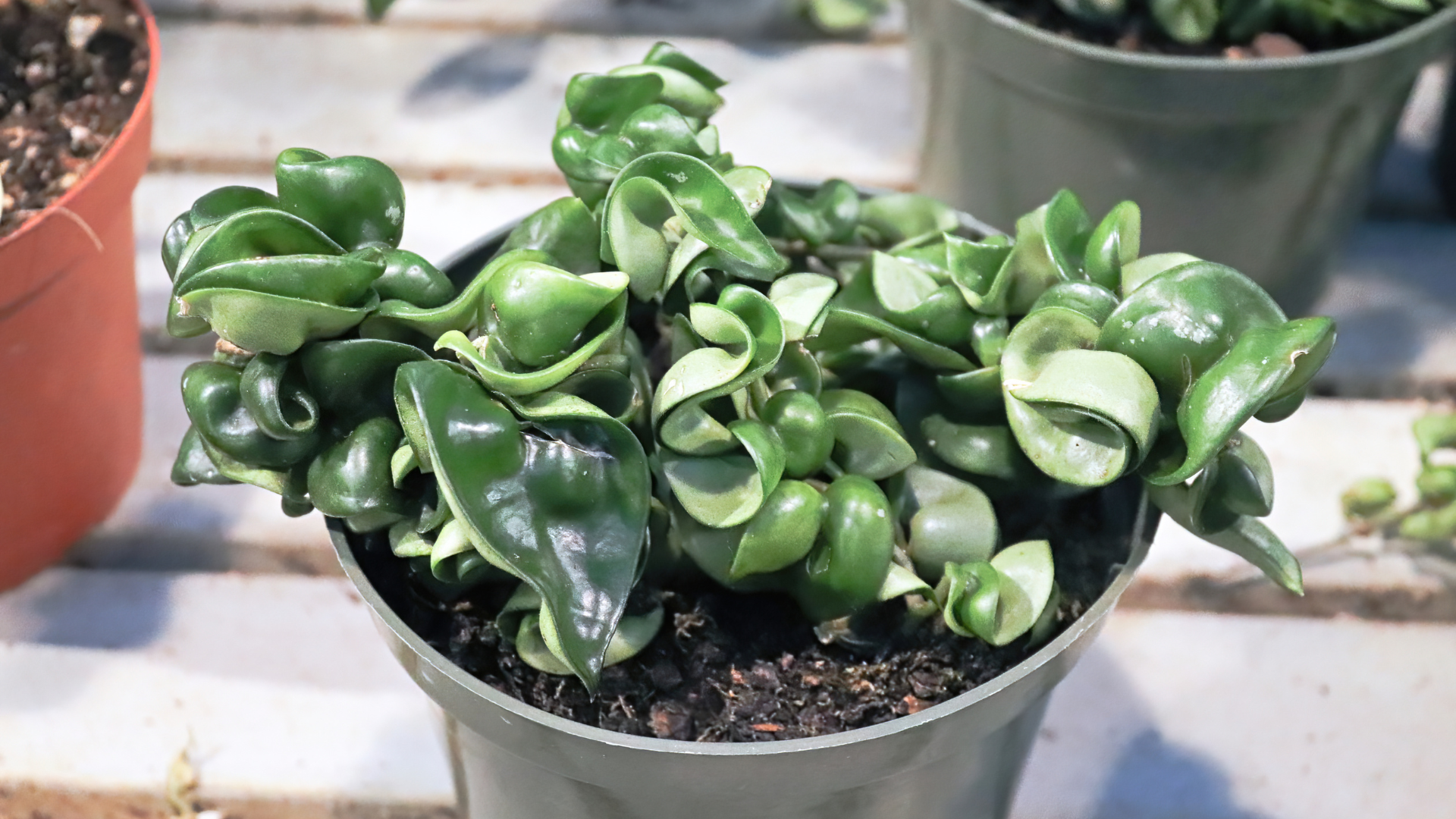
Hindu Rope Plant Care Guide
Your complete guide to nurturing a thriving Hindu Rope Plant
Your Plant's Story
This stunning Hindu Rope Plant started its journey as a cutting from one of our cherished mother plants in our greenhouse. Each plant carries the patient, slow-building genetics of its parent, carefully propagated and nurtured until ready to bring its twisted, waxy magic to a new home.
The Magic: Those tightly curled leaves are a natural mutation - every leaf folds and crimps in on itself instead of lying flat, which is how this plant earned its rope nickname. But the real showstopper comes later. A mature Hindu Rope produces clusters of up to thirty star-shaped flowers that look like they were carved out of porcelain, smell sweet in the evening, and literally drip nectar. And here's the part almost nobody knows: it blooms from the same little stub year after year, so that stub is the most precious thing on your plant (more on that in the FAQ - please don't cut it off!).
From Asian forest canopies to your space: Your Hindu Rope's ancestors evolved as epiphytes across East and Southeast Asia, clinging to tree bark rather than rooting in soil. That's why it hates sitting in wet dirt and why those thick, waxy leaves store water like a succulent - they're built for a life where rain comes and goes and the roots dry out fast in between.
Hand-selected for you: Every Dirt Witch Hindu Rope Plant is chosen for its dense, tightly crimped leaf curl, a healthy root system that has never been overwatered, and that patient, slow-growing character that makes them perfect for plant parents who want something unusual that genuinely thrives on being left alone.
At a glance
Pet Safe
Non-toxic to cats, dogs, and horses - safe for furry family members
Bright Indirect Light
Think the sunniest windowsill in the house - this is the one plant where more light means actual flowers
Beginner-Friendly
Thrives on a little neglect, and the only genuinely tricky part is coaxing out those blooms
Plant Overview

Essential Care
Light
Perfect placement: Bright, filtered light - the brightest spot you've got, as long as the midday sun isn't blasting it directly
Best spot: Right up at an east or west-facing window. A south window works beautifully too, but move it there gradually over a week or two so the leaves can toughen up first (sudden full sun will scorch them)
Why this matters more than usual: Light is the single biggest factor in whether your Hindu Rope ever flowers. It will survive in medium light quite happily - it just won't reward you with blooms
Avoid: Harsh unfiltered midday sun on an unacclimated plant, and dim corners (your plant will stretch, go leggy, and quietly never bloom)
Too little light signs: Long bare stretches of stem between leaf clusters, no flower spurs forming, no blooms year after year, slow growth even in summer
Perfect light signs: Tight compact growth, deep green leaves (sometimes with a pink or red blush at the edges - that's a good sign!), and little stubby flower spurs appearing along the stems
Watering
Finding the rhythm: Let the mix dry out almost completely before you water again. Those thick waxy leaves are water storage tanks, so this plant is far more afraid of too much than too little (overwatering is the number one way people lose a Hoya)
The weight test: Lift the pot right after you water, then lift it again a week later. A dry pot feels noticeably lighter, and after a few rounds you'll just know. This beats any schedule.
Spring/Summer: Roughly every 10-14 days, water deeply until it drains out the bottom, then let it dry right out again
Fall/Winter: Stretch it further, every 3-4 weeks. Growth slows almost to a stop, and the same summer schedule will rot it
Pro tip: Use room-temperature water - cold water straight from the tap can shock the roots on a tropical like this one
Signs it needs water: Leaves looking slightly shrivelled, wrinkled, or less plump than usual. They fill back out within a day or two of a proper drink
Signs of overwatering: Yellow leaves, leaves dropping off, mushy stems at the soil line, soil still damp two weeks later, fungus gnats hanging around
Humidity
Good news here - the Hindu Rope is one of the least fussy plants you can own about humidity. Those succulent leaves hold their own moisture, so it does not need a humidifier babysitting it.
Creating the vibe: 40-60% humidity is ideal, and honestly ordinary household air is perfectly fine
Easy ways to boost humidity (if your winter heating runs really dry):
Place on a pebble tray with water (a nice little microclimate, and it looks good too)
Group with other plant friends (they hold humidity for each other)
Use a humidifier nearby in the depths of winter (your skin will thank you too!)
Avoid: Heavy misting. Water sitting in all those tight leaf curls is an invitation to rot and fungal spots, and this is the one plant where misting genuinely does more harm than good
Temperature
Comfort zone: 65-80°F - basically ordinary room temperature, and this plant is pretty relaxed about it
A blooming secret: A slight temperature drop at night actually helps encourage flowering, so a spot near a window that cools a few degrees overnight is a feature, not a problem
Avoid: Anything below 55°F for any length of time, cold window glass in deep winter, and the direct blast of heating vents
Winter care: If nights near your window dip under 50°F, pull the plant back into the room a foot or two
Blooming & the Flower Spurs
This is the section that matters most on this plant, because it's where almost everyone goes wrong.
The golden rule: Never cut off a spent flower cluster. Hoyas bloom from a persistent little stub called a peduncle, or spur, and they rebloom from that same spur for years. Cut it off and you've removed that flower site permanently.
What to do instead: Let the spent flowers fall off on their own. The bare stub that's left behind looks like nothing, but it's your next bloom.
What it takes to get flowers:
Bright light (the biggest lever by far)
A slightly pot-bound root system - a cramped Hoya flowers better than a comfortable one
Light feeding through spring and summer
A proper winter rest with less water and no fertilizer
A small nighttime temperature drop
Patience. Most plants don't flower until they're two or three years old. A young Hindu Rope that isn't blooming isn't broken.
Once buds form: Don't move the plant, don't change the watering, don't repot. Sudden changes are the classic cause of bud drop.
Soil & Feeding
Soil: Chunky and fast-draining - equal parts potting soil, orchid bark, and perlite is the mix to beat. Remember this plant grew on tree bark in the wild, so the roots want air as much as they want water
Feeding schedule:
Growing season (Spring/Summer): Every few waterings, at half or quarter strength
Dormant season (Fall/Winter): None at all - your plant is resting and leftover salts will just burn the roots
Fertilizer type: A liquid fertilizer rather than slow-release granules, because you water so infrequently that granules never properly dissolve. If you want flowers, look for something higher in nitrogen and potassium than phosphorus, like a 2:1:2 or 3:1:2 ratio
Pro tip: Err on the side of underfeeding. A slightly hungry Hoya is a happy Hoya, and an overfed one puts out soft leggy growth instead of flowers.
Monthly Care Ritual
Every month, create a moment to connect with your twisted beauty:
Lift the pot to check its weight before you even think about watering (this is the whole skill, and it takes two seconds)
Look inside the leaf curls with a flashlight for mealybugs - those crevices are a perfect hiding spot and this is the one check that really matters on this plant
Gently dust the leaves with a soft dry cloth (wet cloths leave water pooled in the crimps)
Rotate the pot 1/4 turn for even growth (like turning toward the light in your own life)
Check the stems for new flower spurs forming, and make a mental note of where they are so you never prune one off by accident
Remove any fully yellowed leaves that have completed their journey
Growing season bonus ritual (Spring/Summer):
Offer diluted liquid fertilizer at half strength every few waterings
Train any long trailing vines onto a hoop or trellis, or just let them hang
Resist the urge to repot - check instead whether the plant is comfortably snug, because snug is exactly where you want it
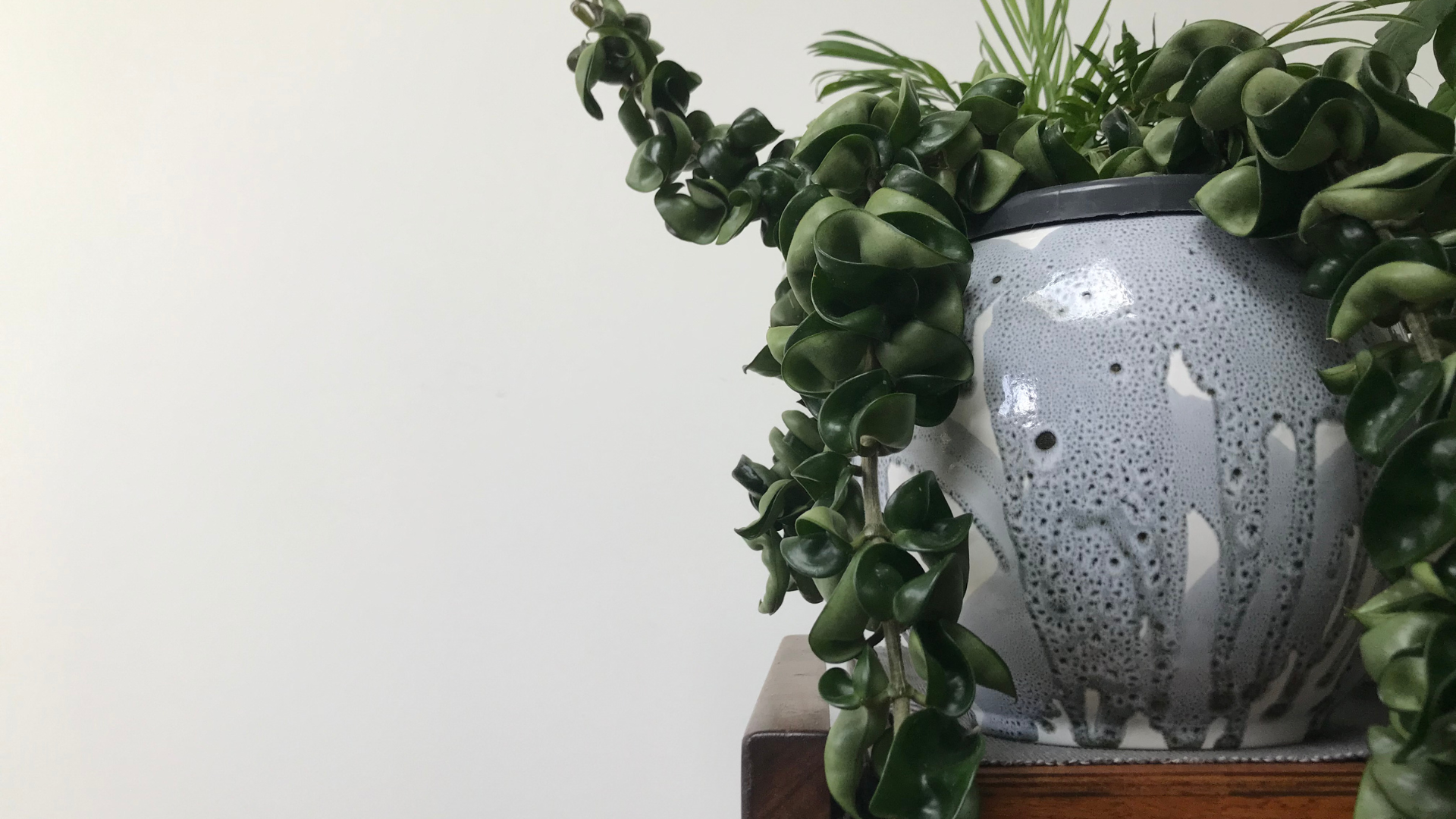
Propagation & Repotting Magic
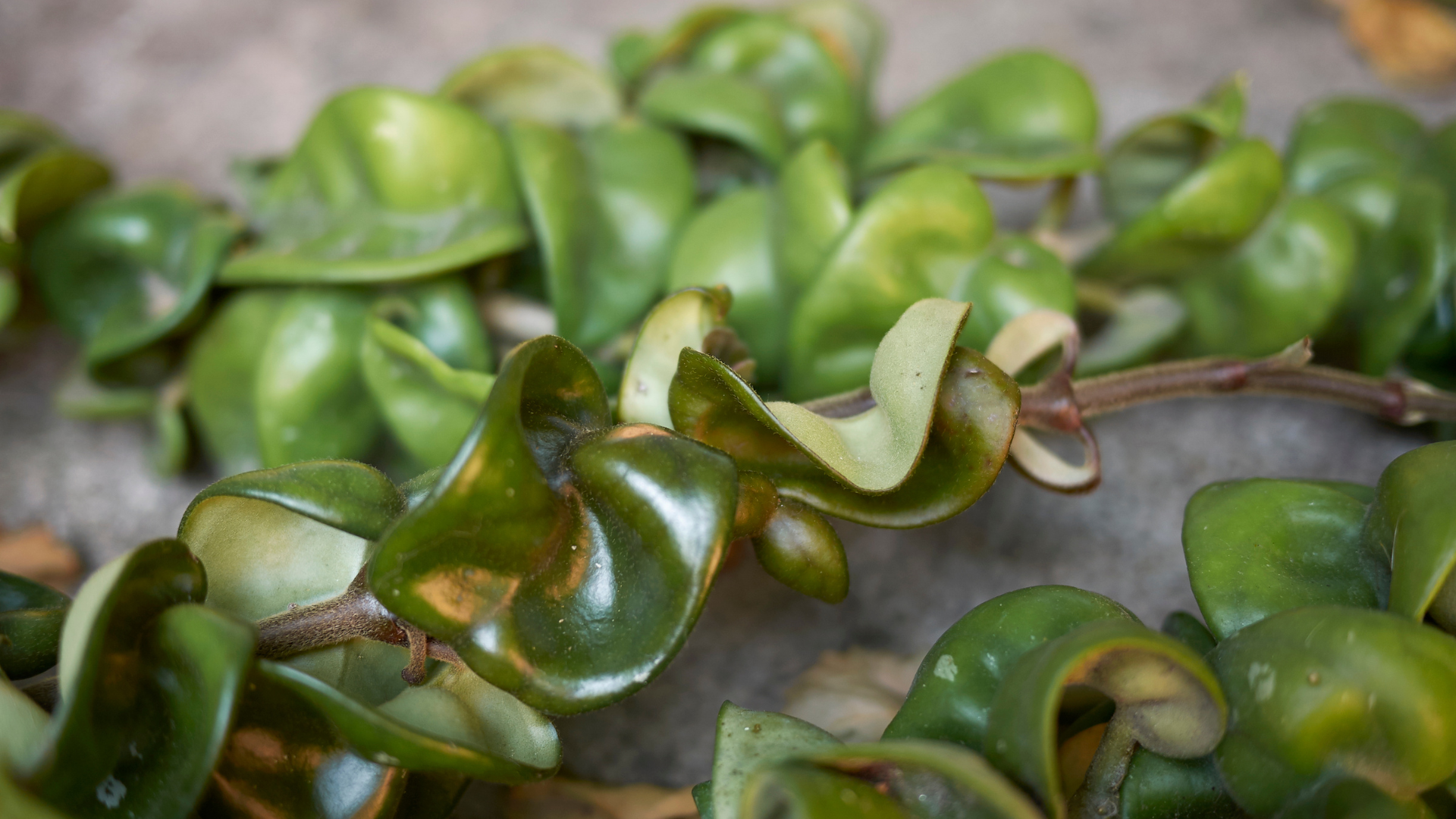
The Magic of Making More Plants
Best method: Stem cuttings (patient, but very reliable!)
There's something absolutely magical about turning one slow-growing plant into several. Here's how to work this green magic:
Choose a healthy vine and cut a piece with one or two nodes - the little bumps where leaves attach
Strip the lowest leaf so the node sits bare
Root the bare node in water, in moist sphagnum moss, or straight into a light propagation mix
Keep it warm and bright and be patient - roots usually form within a few weeks, though Hindu Rope is slower about it than most
Pot up into the same chunky bark mix once the roots are a couple of inches long
When Your Plant Needs More Space
Honestly? Rarely. The Hindu Rope likes being slightly root-bound and flowers better that way, so repot only every few years, in spring, when your plant sends you these signals:
Roots are peeking out the drainage holes like they're waving hello
The potting mix has broken down into something dense and soggy that never seems to dry
Your plant has visibly outgrown the pot and is drying out within days
Think of repotting a Hoya as a last resort rather than an annual ritual - and when you do it, go up exactly one pot size. A roomy pot holds water the roots can't reach, and that's how a perfectly healthy Hindu Rope ends up with root rot.
One thing to know: A single leaf will root, but it will sit there as a leaf forever unless a node came with it. The node is where the new vine comes from, so always take a piece of stem.
Pro tip from one plant-obsessed person to another: Hindu Rope cuttings are slow, which makes them a genuinely generous gift - you're handing someone something you waited for. Plant people know the difference.
Common Visitors & How to Handle Them
-
The number one pest on this plant, and the curled leaves are exactly why. Those tight crevices are a perfect sheltered hiding spot, so an infestation can get established before you ever see it on the surface. Look for white cottony fluff tucked deep in the curls and where leaves meet the stem.
Fix: dab each one with a cotton swab dipped in rubbing alcohol, getting right down into the crimps, then follow with insecticidal soap. Check weekly for a solid month, because the eggs hatch on a delay and the curls hide the stragglers.
-
Most common in winter, when indoor heating dries the air right out. Look for fine webbing and tiny moving specks on the leaf undersides, plus a dusty stippled look to the surface.
Fix: raise the humidity, wipe the leaves down, and treat with neem oil or insecticidal soap every 5-7 days for three rounds. One treatment never clears them - mites reproduce faster than that.
-
Little black flies drifting around the pot. They aren't really the problem - they're a symptom, and the message is that your soil is staying too wet.
Fix: let the mix dry out much further between waterings, and use sticky traps to catch the adults while the soil dries. Sort out the watering and the gnats sort themselves out.
FAQ & Plant Wisdom
-
Almost always light, and almost always patience.
Bright light is the single biggest lever - a Hindu Rope in medium light will live happily for years and simply never flower. Beyond that, these plants usually need to be two or three years old before they bloom at all, so a young one isn't broken. The rest of the recipe: keep it slightly pot-bound, feed lightly through spring and summer, let it rest dry and unfertilized through winter, and give it a spot that cools a few degrees overnight.
-
No - and this is the most important thing on this whole page.
Hoyas bloom from a persistent little stub called a peduncle, or spur, and they rebloom from that same spur for years. If you deadhead it like a normal flower, you've permanently removed that bloom site and set your plant back a long way. Let the spent flowers drop off on their own and leave the bare stub exactly where it is. It looks like nothing. It is your next round of flowers.
-
Nine times out of ten it's overwatering.
Those thick waxy leaves store their own water, so this plant needs far less than people expect. Check whether the soil is still damp from the last watering and whether the pot actually drains. If the yellow leaves are also soft or mushy at the base, that's root rot territory - let it dry out well before you water again. One or two lower leaves yellowing slowly while the rest of the plant looks fine is just normal aging.
-
Watering, in one direction or the other.
Hoyas drop leaves when the soil has been too wet for too long and the roots have started to fail, and they also drop them when they've been bone dry for weeks on end. Feel the mix before you act, because the fix is opposite depending on which one it is. A sudden cold draft or a big move to a new spot can also trigger a round of leaf drop that settles down on its own.
-
Usually thirst, and it's an easy fix.
A well-watered Hindu Rope has plump, firm leaves. When they go wrinkled and slightly soft, the plant has drawn down its water reserves - give it a thorough drink and they'll fill back out within a day or two. If you water and nothing improves after a few days, the problem is the opposite: damaged roots that can't take water up any more, which means checking for rot.
-
Mealybugs, and this plant is their favorite hiding place.
All those tight leaf crimps make perfect sheltered crevices, so you'll often find a colony well established before anything shows on the surface. Dab each one with a cotton swab dipped in rubbing alcohol, working right down into the curls, then follow up with insecticidal soap. Keep checking weekly for a month - the eggs hatch on a delay and the curls hide the ones you missed.
-
Slowly, and that's completely normal.
Hoya Compacta grows noticeably slower than a regular wax plant - a few inches of new vine in a good year is a perfectly healthy pace. If your Hindu Rope looks the same in August as it did in April, it is probably fine. Brighter light will speed it up more than anything else you can do. This is a plant you measure in years, not weeks.
-
Rarely - and later than you think.
Hoyas flower better when they're slightly root-bound, so a snug pot is a feature. Repot only every few years, in spring, and only when roots are coming out the drainage holes or the mix has broken down into something that stays soggy. Go up exactly one pot size when you do. An oversized pot holds water the roots can't reach, which is the most common way a healthy Hindu Rope gets killed with kindness.
-
Stem cuttings with at least one node - just be prepared to wait.
Cut a piece of vine with one or two nodes (the bumps where leaves attach), strip the lowest leaf, and root the bare node in water, damp sphagnum moss, or a light propagation mix. Keep it warm and bright. Roots usually appear within a few weeks, though Hindu Rope is slower than most.
One catch: a single leaf will root but will never grow into a vine unless a piece of stem with a node came with it.
-
Yes! Hoya carnosa is listed by the ASPCA as non-toxic to cats, dogs, and horses.
This is one of the genuinely pet-safe houseplants, which is a big part of why we love recommending it. Worth knowing anyway: any plant eaten in quantity can upset a stomach, and when it flowers it drips a sticky nectar that can make a mess of whatever is underneath. Neither is a toxicity problem, just something to plan around.
-
Yes, and it often comes back happier for it.
Around Boston, wait until nights are reliably above 60°F, then put it somewhere bright but shaded from direct midday sun and let it acclimate over a week or two. Bring it back in well before nights drop toward 50°F. Give it a really thorough pest inspection before it goes back among your other plants, because outdoor time is how mealybugs find their way indoors.
-
That's sun stress, and it's a good thing in moderation.
A Hindu Rope in really bright light often blushes pink or red along the leaf edges - growers chase this look on purpose. It means your plant is getting plenty of light, which is exactly what it needs to flower. The line to watch is scorching: pink blush is healthy, but bleached white patches or dry brown crisping means it's gone too far and needs filtering.
Still need help?
Having trouble with your dog tail cactus? We are here to help!
Email us at hello@dirt-witch.com with photos of any issues
Send us a DM on Instagram @dirtwitchstudio with your questions
Remember: Dog-tail cacti are wonderfully dramatic plants that bring jungle adventure to your space. Trust your instincts, embrace their wild trailing nature, and enjoy the unique personality this quirky cactus brings to your plant family!
Happy growing!