
Money Tree Care Guide
Your complete guide to nurturing a thriving Money Tree
Your Plant's Story
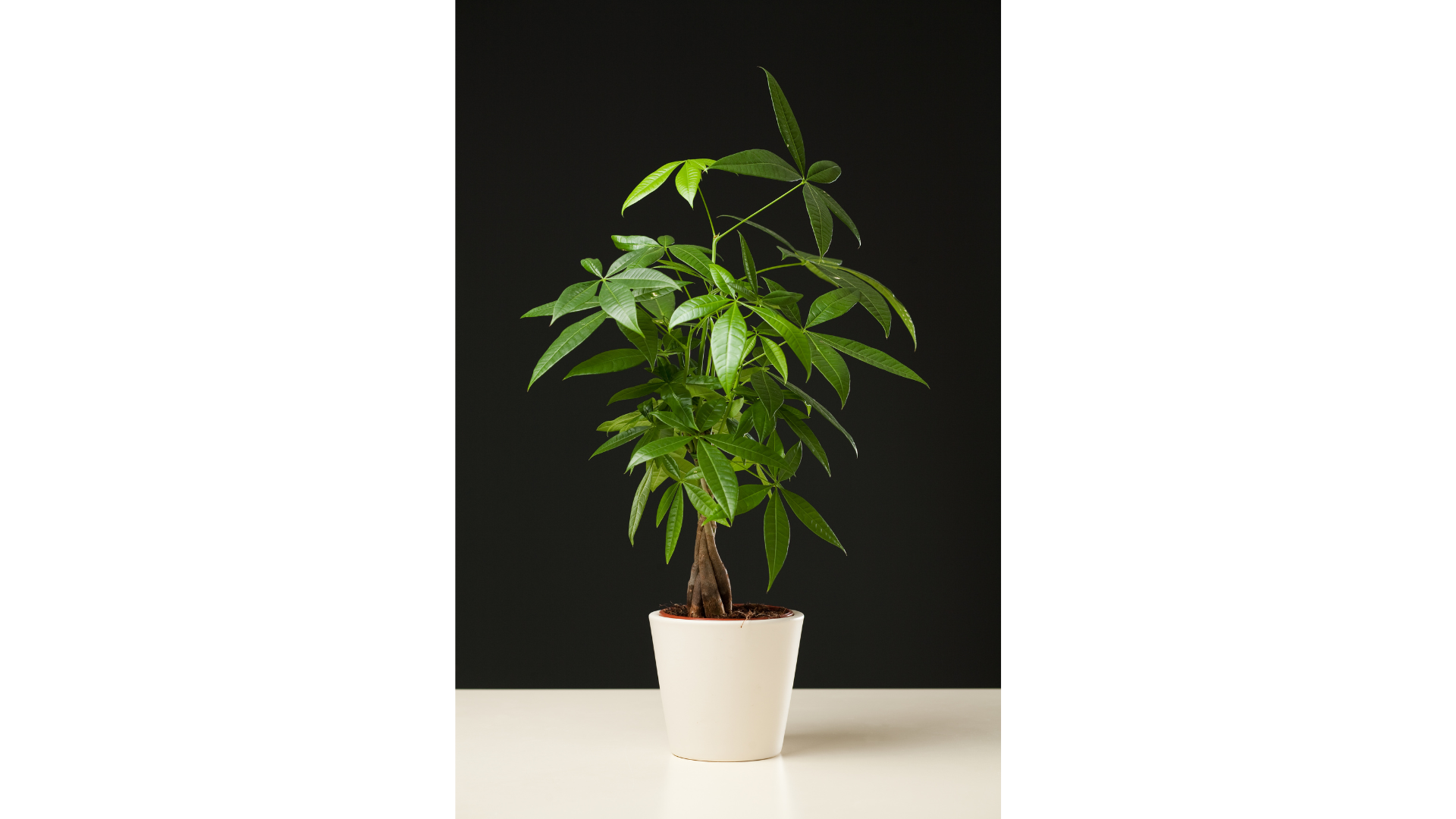
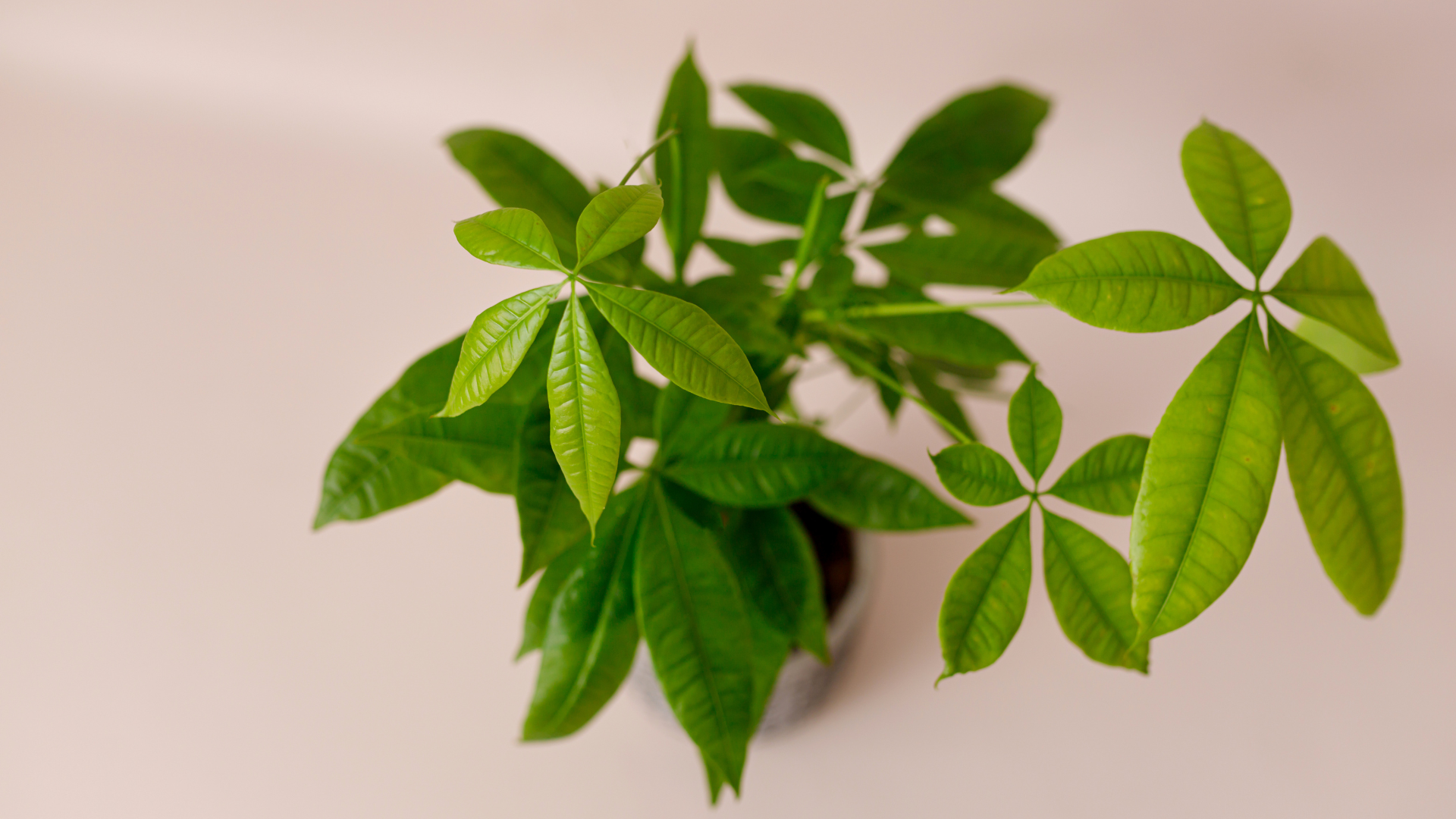
This stunning Money Tree is one of the most beloved houseplants for bringing both beauty and good fortune to your space! Those distinctive braided trunks and glossy, hand-shaped leaves (called palmate leaves) create an architectural statement that's both elegant and mystical. This beauty started as a carefully tended plant in our greenhouse, grown until it developed that signature braided trunk and lush canopy.
The Magic: According to feng shui tradition, Money Trees bring good luck, prosperity, and positive energy to their homes. Each leaf typically has five leaflets representing the five elements in feng shui - earth, water, fire, metal, and wood. There's something deeply satisfying about having a plant that's not only gorgeous but also believed to attract abundance and good fortune!
From Central American swamps to your home: Your Money Tree's ancestors are native to Central and South American wetlands, where they grow as large trees near water sources. In the wild, Pachira aquatica can reach up to 60 feet tall! They're naturally adapted to humid, warm conditions and periodic flooding, which explains their incredible resilience and ability to bounce back from watering mistakes.
Hand-selected for you: Every Dirt Witch Money Tree is chosen for its healthy braided trunk, vibrant green foliage, and that special prosperous energy that makes them perfect for anyone looking to add both beauty and positive vibes to their space.
At a glance
Plant Overview
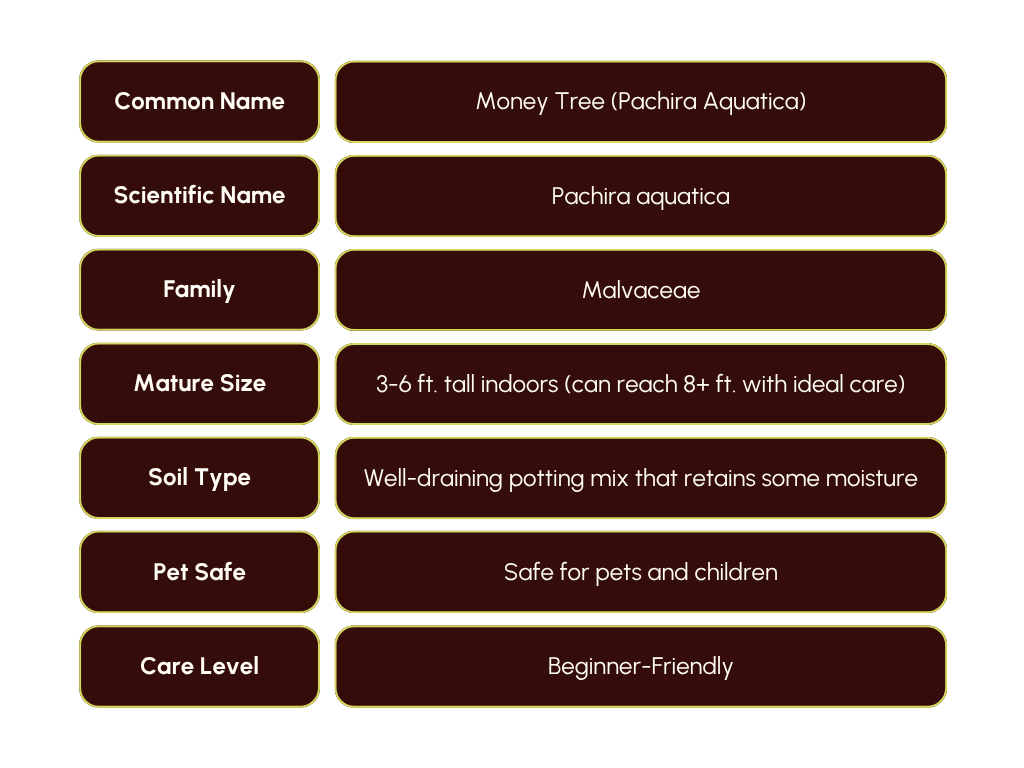
Pet Safe
Non-toxic and safe for furry family members and curious little ones
Bright indirect light
Loves that sweet spot of bright, filtered light that keeps leaves lush and green
Beginner-friendly
Forgiving and adaptable tree that's surprisingly easy to care for
Essential Care
Light
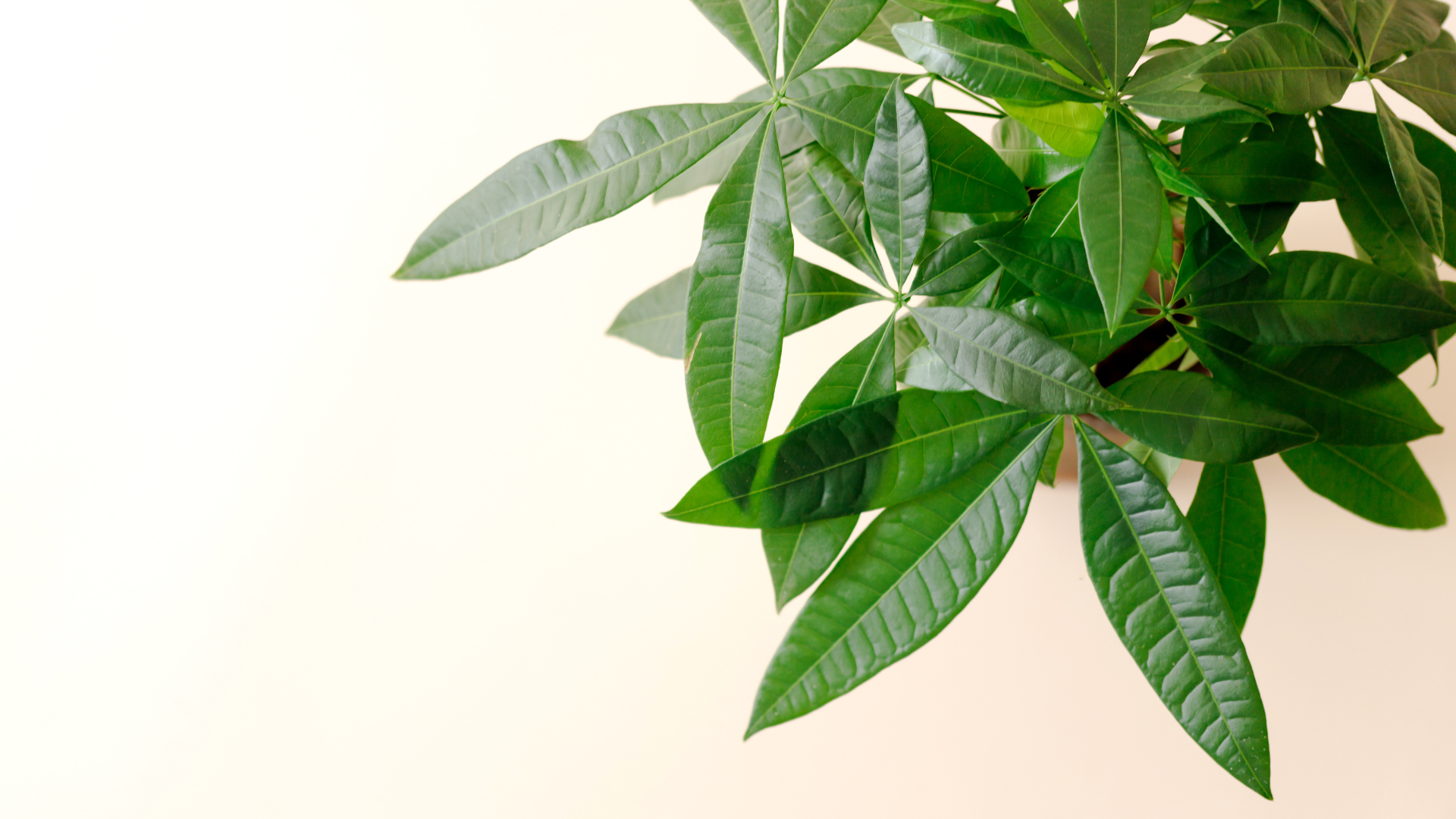
Perfect placement: Bright, indirect light for 6+ hours daily - think of that sweet spot where the light is bright enough to keep those glossy leaves vibrant but gentle enough not to scorch them
Best spot: East-facing window for gentle morning sun, or 3-6 feet back from a south/west window with sheer curtains
Can handle some direct light: Unlike many houseplants, Money Trees can tolerate some direct morning sun, but protect from harsh afternoon rays
Avoid: Deep shade (causes leggy growth and smaller leaves) or intense direct sunlight all day (can scorch those beautiful glossy leaves)
Too little light signs: Smaller leaves, stretchy growth reaching toward light, less vibrant green color
Perfect light signs: Large, glossy green leaves, compact growth, steady new leaf production
Pro tip: Rotate your Money Tree weekly so all sides get equal light - this keeps the braided trunk growing evenly and prevents lopsided development!
Watering
Finding the rhythm: Money Trees like to dry out between waterings but don't want to stay bone dry for extended periods - think "moist but not soggy" like their swampy origins
The perfect technique: Water thoroughly when the top 1-2 inches of soil feel dry, usually every 1-2 weeks depending on your home's conditions
Spring/Summer: More frequent watering during active growing season when those glossy leaves are expanding
Fall/Winter: Less frequent watering as growth naturally slows and the plant uses less water
Pro tip: These trees are forgiving of both slight underwatering and slight overwatering - they're swamp natives who can handle fluctuations!
Signs it needs water: Top 1-2 inches of soil feel dry, leaves may look slightly less glossy or perky
Signs of overwatering: Yellow leaves starting from the bottom, mushy trunk, soil that stays soggy for days
Signs of underwatering: Leaves become wrinkled or droopy, dry soil pulling away from pot edges, leaves dropping
Water quality tip: Room temperature water is best - these tropical natives don't love temperature shocks
Humidity
Creating the vibe: 40-50% humidity keeps these swamp natives absolutely thriving, though they're surprisingly adaptable to normal household levels
Easy humidity boosts:
Place near other plants for a mini humidity ecosystem
Use a pebble tray with water underneath (not touching the pot)
Place in naturally humid spots like bright kitchens or bathrooms
Light misting is okay but not necessary
Swamp heritage: Their natural wetland origins mean they appreciate extra moisture in the air, but they've adapted well to typical home humidity
Pro tip: Higher humidity encourages larger, more glossy leaves and better overall growth - it's like recreating their native swampy environment!
Temperature
Comfort zone: 65-80°F - they love consistent tropical warmth like their Central American origins
Sweet spot: 70-75°F where they grow most actively and look their glossiest
Avoid: Cold drafts, sudden temperature drops, heating/AC vents, anything below 60°F
Seasonal care: They appreciate consistent temperatures year-round - no dramatic seasonal changes needed
Pro tip: Steady warmth = steady growth and that gorgeous glossy foliage that makes these trees so stunning!
Soil & Feeding
Soil mix: Well-draining potting mix that retains some moisture - think tropical soil that drains but doesn't dry out completely
Perfect recipe: Standard potting soil with added perlite for drainage, but not as sandy as cactus soil - they like some moisture retention
Feeding schedule:
Growing season (Spring/Summer): Monthly with balanced liquid fertilizer diluted to half strength
Dormant season (Fall/Winter): Every 2-3 months or skip entirely - they're resting
Fertilizer type: Balanced liquid fertilizer (10-10-10 or similar) works great - nothing fancy needed
Pro tip: Well-fed Money Trees during growing season develop larger, more impressive canopies and stronger braided trunks!
Monthly Care Ritual
Every month, create a moment of abundance with your prosperity tree:
Check soil moisture 1-2 inches down - your finger is the best moisture meter
Rotate 1/4 turn to maintain that beautiful symmetrical canopy and even trunk development
Inspect those glossy leaves for pests and to admire their hand-shaped beauty
Gently dust leaves with a damp cloth to keep them looking glossy and photosynthesis-ready
Remove any yellowing or damaged leaves that have completed their journey
Check the braided trunk for any soft spots or issues
Growing season bonus ritual (Spring/Summer):
Offer diluted fertilizer monthly to support lush canopy growth
Consider light pruning to maintain shape and encourage bushier growth
Check if it needs repotting (every 2-3 years - these grow steadily but not frantically)
Pro tip: Spend a moment appreciating this tree's prosperity symbolism - there's something powerful about caring for a plant associated with abundance and good fortune!
Propagation & Repotting Magic
When Your Tree Needs More Space
Every 2-3 years, or when your prosperous tree starts sending you these signals:
Roots growing out drainage holes like they're ready to expand your fortune
Growth has slowed despite good care and feeding
Water runs straight through without the soil absorbing properly
The braided trunk looks cramped in its current pot
Top-heavy growth that makes the plant unstable
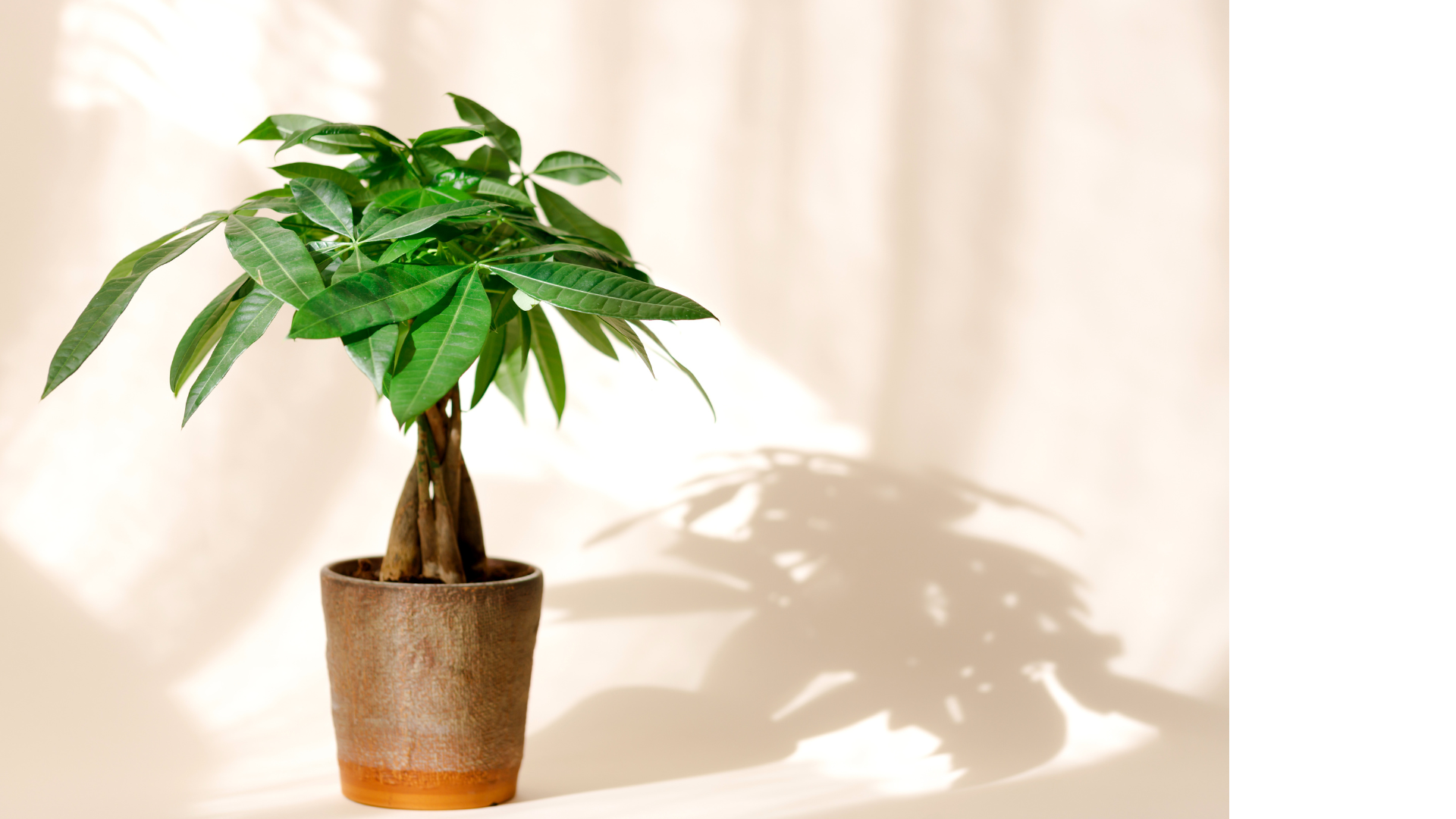
Think of repotting as giving your abundance tree room to really expand its canopy and strengthen that beautiful braided trunk!
The Magic of Making More Trees
Best method: Stem cuttings (moderately easy with patience!)
There's something hopeful about propagating Money Trees - you're literally growing more abundance! Here's how to work this prosperity magic:
Stem cutting method:
Cut 4-6 inch healthy stem pieces with at least 2-3 nodes during spring/summer
Remove lower leaves that would sit in water
Root in water in bright, indirect light for 4-8 weeks (these take longer than philodendrons)
Change water weekly to keep it fresh and oxygenated
Plant when roots are 2+ inches long and well-developed
Keep soil slightly moist until established
Alternative method: Air layering for larger branches (advanced technique)
Pro tip: Money Tree propagation requires more patience than other houseplants, but the satisfaction of growing your own "prosperity tree" from scratch is incredible!
Pro tip from one plant-obsessed person to another: Money Tree propagation teaches patience and persistence - values that align perfectly with the abundance mindset this tree represents! While cuttings take longer to root than other plants, the process itself is meditative and rewarding. Your tree's offspring continue spreading that prosperous, positive energy to new homes, creating connections rooted in abundance and good fortune!
Common Visitors & How to Handle Them
-
The prosperity-stealing tiny thieves: These microscopic troublemakers love dry conditions and can make those glossy leaves look dull and stippled
Signs: Tiny webs between leaves, leaves losing their glossy shine, small moving dots on leaf undersides
Treatment: Increase humidity immediately, wipe leaves with damp cloth weekly, neem oil spray for persistent cases
Prevention: Good humidity and regular leaf cleaning keep these prosperity-thieves away
-
The white cotton abundance-blockers: These cottony clusters love to hide where those beautiful hand-shaped leaves meet the stems
Signs: White, fluffy clusters in leaf joints, leaves may yellow or become sticky
Treatment: Dab with rubbing alcohol on cotton swab (satisfying to watch them disappear!), follow up with neem oil spray
-
The leaf-curling fortune-drainers: These tiny pests love to cluster on the newest, most tender growth
Signs: Small green or black bugs on fresh leaves, sticky honeydew, leaves curling
Quick fix: Gentle shower in sink washes them away - protect those glossy leaves from harsh water pressure
Follow-up: Neem oil spray weekly until completely gone
-
The bump-like prosperity-sappers: These disguise themselves as harmless bumps while slowly draining your tree's energy
Signs: Hard, waxy bumps on trunk or stems that don't move when gently touched
Treatment: Gently scrape off with soft brush or fingernail, stubborn ones get the alcohol cotton swab treatment
-
The soil-circling abundance-annoyers: These tiny flies indicate soil that's staying too consistently moist
Signs: Small flying insects around soil surface, especially noticeable when watering
Rebalancing: Let top inch of soil dry more between waterings, yellow sticky traps for adults
Pro tip: Healthy, well-cared-for Money Trees rarely have serious pest issues. Most problems arise when plants are stressed from overwatering or poor air circulation, so good basic care is your best pest prevention!
FAQ & Plant Wisdom
-
Yellow leaves usually mean overwatering or natural aging!
Check your watering schedule - Money Trees prefer to dry out slightly between waterings. If only older, lower leaves are yellowing, that's normal aging as the tree puts energy into new growth.
-
Leaf drop can happen from several things: overwatering, underwatering, temperature shock, or moving stress.
Check soil moisture, ensure consistent temperatures, and be patient - Money Trees sometimes drop leaves when adjusting to new conditions but bounce back with good care.
-
This is usually a sign of overwatering or root rot!
Stop watering immediately, check the roots for black/mushy sections, trim any damaged roots, and repot in fresh, well-draining soil if needed.
-
The braiding is typically done when plants are very young and flexible!
Mature trunks are usually too woody to braid without damage. If you have multiple young stems, you can carefully braid them, but be very gentle.
-
This usually means insufficient light!
Move to a brighter location with indirect light. You can also prune back leggy growth to encourage bushier development.
-
These are moderate growers when happy!
Expect steady growth during spring and summer, with new leaves appearing regularly. They can grow 1-2 feet per year under ideal conditions.
-
Absolutely! Light pruning encourages bushier growth and maintains that tree-like shape. Prune in spring for best results.
-
Very rare indoors but special when it happens!
Money Trees occasionally produce large, showy flowers and edible nuts when mature and very happy. It's a sign of an exceptionally well-cared-for plant!
-
That's the feng shui magic!
The 5 leaflets represent the five elements in feng shui (earth, water, fire, metal, wood), which is part of why these plants are considered so auspicious for abundance and prosperity.
-
Look for crispy leaf edges or tips - that usually indicates low humidity.
These swamp natives appreciate extra moisture in the air, though they're adaptable to average home humidity.
Still need help?
Having trouble with your Money Tree? We are here to help!
Email us at hello@dirt-witch.com with photos of any issues
Send us a DM on Instagram @dirtwitch with your questions
Remember: Money Trees are symbols of abundance and prosperity, and caring for one is like nurturing your own relationship with abundance. They're forgiving plants that want to thrive and bring positive energy to your space. Trust in their resilient swamp heritage, maintain consistent care without overthinking, and enjoy the peaceful energy and good fortune this beautiful tree brings to your home!
Happy growing!